Building real-life connections through an engaging gamified experience
For many of us, connection has become easier to initiate, but harder to make meaningful. We have more ways to meet people than ever, yet socializing can still feel superficial — shaped by profiles, labels, and quick judgments rather than genuine understanding. This project explores a different approach: creating space for people to look beyond the surface, discover what truly connects them, and build meaningful relationships — whether romantic, social, or simply based on shared interests.
Client
Cladda
Location
UAE, UK
Timelines
2022 - 2024
Project overview
Mobile app
End-to-end design
Concept development
Design System
Motion
Research & Strategy
What does cladda solve?
Designed to help people look beyond the surface
Rather than reducing relationships to romantic compatibility, Cladda creates space to explore different kinds of connections - from partners and friends to housemates and hobbymates.
Through a more playful and engaging experience, people can express who they are, discover others on a deeper level, and find connections that align with their values, interests, and way of life. The goal is simple: understand me to make a stronger we.
Where it started
The founder’s vision was to create a platform that helps people build meaningful connections in a playful, engaging, and secure environment. Rather than another dating app built around swiping and quick judgments, the goal was to encourage people to explore who they are, discover others, and connect in a way that feels natural and enjoyable.

Turning the idea into a product
We all exist in our own invisible bubbles - shaped by our routines, interests, beliefs, and the people we already know.
I developed the core product concept around the idea of stepping outside these bubbles to discover connections beyond our usual circles, and translated it into a visual language that runs throughout the experience.

The visual idea behind Cladda
Bubbles became a metaphor for people, communities, and the boundaries we naturally create around ourselves — appearing, moving, colliding, and ultimately bursting open as we connect with others.
The concept became a foundation for how Cladda looks, feels, and communicates its purpose: breaking out of our own worlds to make room for new connections.

Where do we start?
Understanding who we’re designing for
Before defining how Cladda should work, I wanted to understand how people currently connect, what gets in the way of meaningful relationships, and where existing platforms fall short. I combined market and competitor research with conversations with potential users to uncover patterns, unmet needs, and opportunities for a different kind of social experience.
Research methods
Competitor mapping
1:1 user interviews
Market analysis
Feature benchmarking
Opportunity mapping
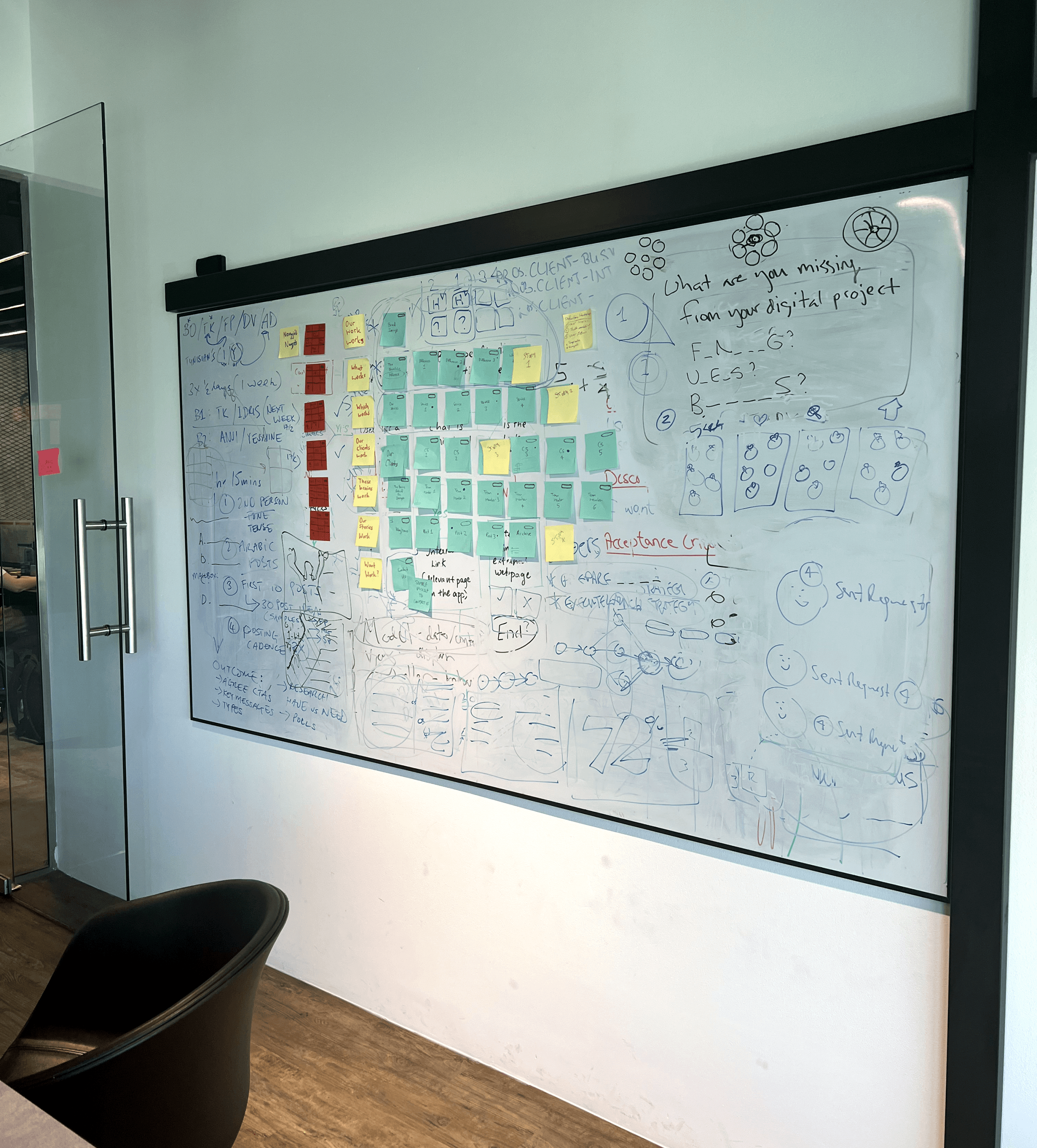

What gets in the way of meaningful connection?
01
We need to feel safe before we open up
Meeting someone new requires trust and confidence that they are who they say they are.
Solution
Identity verification · Phone, email, and social verification to reduce fake profiles and build trust from the start.
02
We need to know what we're looking for, and let others know.
Not every connection has the same purpose, and mismatched intentions can quickly lead to disappointment.
Solution
Connection types · Partners, friends, housemates, and hobbymates.
Compatibility matching · Shared interests, values, lifestyles, and intentions.
03
We need more than a photo to understand someone
Meaningful connections need more context about who someone is, how they communicate, and what they care about.
Solution
Video & audio · Give people more ways to express their personality, voice, and communication style before meeting in person.
04
We want to be seen for more than how we look
When appearance becomes the main filter, personality, interests, values, and everything that makes someone unique can easily get overlooked.
Solution
Inclusive matching algorithms · Use personality, interests, values, and lifestyle as meaningful signals in the matching algorithm
Where does connection begin?
Before designing individual features, I mapped the journey from the moment someone feels ready to meet new people to the moment they evaluate a new connection. This helped identify where uncertainty, friction, and opportunities for delight existed across the experience.

How do you organize something as open-ended as connection?
Cladda wasn't built around a single type of relationship. People could be looking for a partner, friend, housemate, or hobbymate, so the structure needed to support different intentions without making the experience feel complicated.


Mapping the experience
Each flow was designed to keep the experience simple and intuitive while guiding users through the key moments of connection. The flows covered the core experience — from creating a profile around your hobbies and interests, to discovering people based on preferences and location, creating posts to find more tailored connections, and ultimately chatting and playing games together.

From structure to screen
With the core journeys, information architecture, and user flows defined, we translated the experience into detailed screen prototypes. Exploring key states, interactions, hierarchy, and content helped us understand the structure and essential components of each screen before refining the final visual language.
Giving the concept a visual language
I explored moodboards, color palettes, typography, shapes, and visual references to define a personality that would feel distinct from traditional dating apps. The final direction uses bright, energetic colors and soft, fluid forms to reflect the feeling of curiosity, freedom, and spontaneity that comes with stepping outside your own bubble. The visual language was designed to make Cladda feel less like a dating utility and more like a space where people can explore, play, and discover new connections.

Turning the visual direction into a scalable UI language
With the visual direction established, I turned it into a reusable design system that could keep the experience consistent across the product.
It includes
Typography
Iconography
Design Tokens
Component Library
Design Principles
Illustrations
Motion
Colors
Effects
Documentation and Guidelines

Onboarding
01
Helping people step into Cladda with curiosity.

Registration
02
Removing friction from the first interaction.

Building your profile
03
Let people see beyond the basics
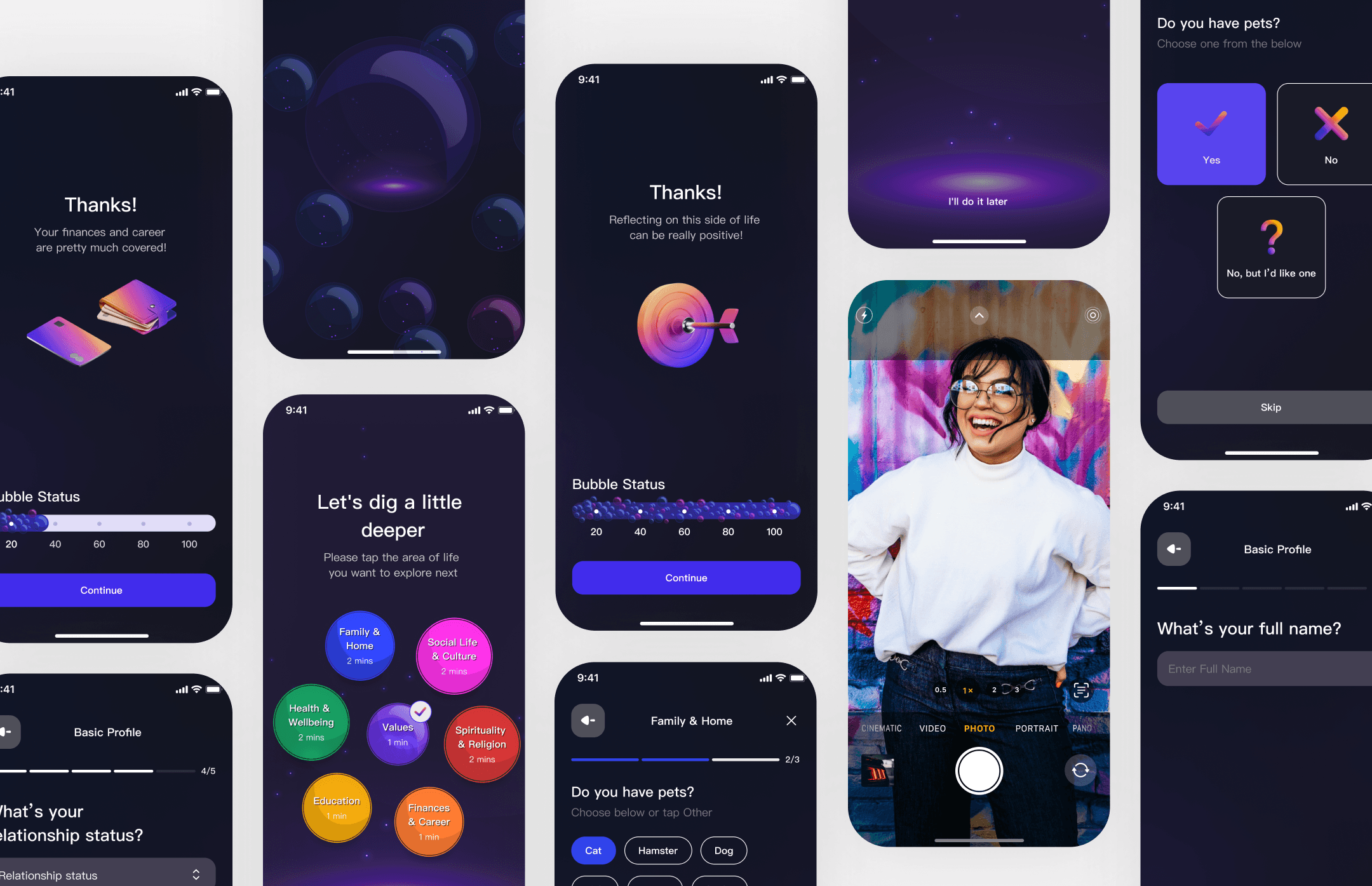
Your profile
04
The profile and post pages are where Cladda’s idea of meaningful connection becomes tangible. Rather than reducing people to a photo and a short bio, the profile gives users a richer view into each other’s personalities, interests, and worldview. The profile brings together responses from the six sections completed during onboarding, with each section represented by its own color. This creates a visual rhythm that makes information easier to scan while helping users quickly understand what matters to someone and where they might share common ground.
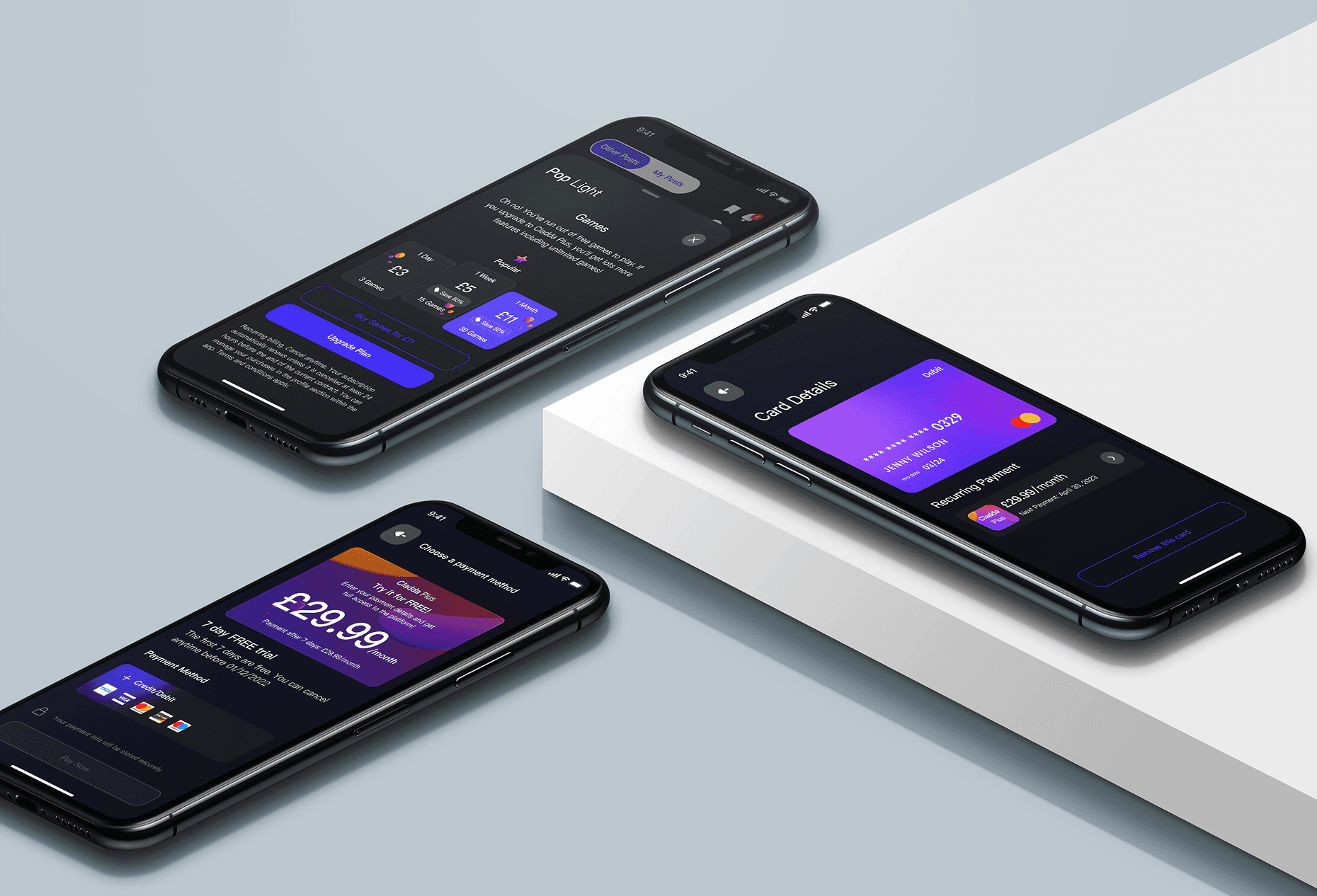
Creating a post
05
The goal was to make creating a post feel simple and enjoyable while giving people enough space to clearly express what they’re looking for.
Putting the experience to the test
Once the key journeys were designed, I tested the core screens with users to understand how easily they could navigate the experience and where they encountered friction.

Trusted by many